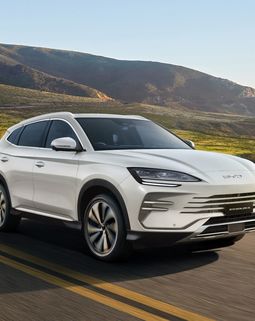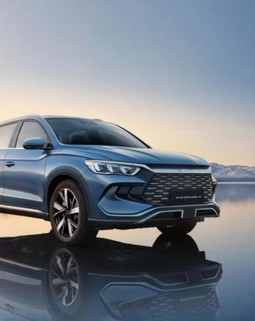

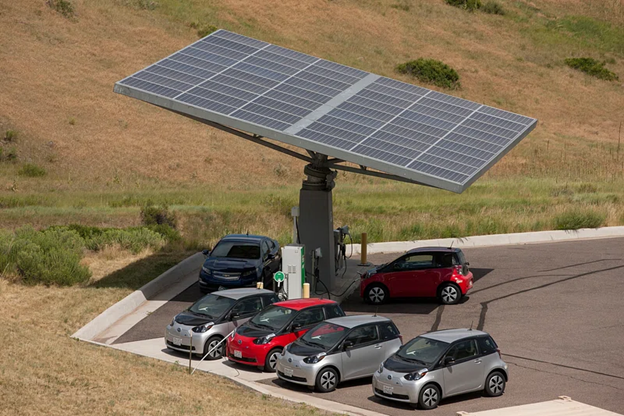
The transportation sector in Bangladesh is undergoing a silent but massive revolution. The rapid rise of electric mobility has led to millions of battery-powered three-wheelers, locally known as "easy bikes," hitting the streets. While these vehicles drastically reduce tailpipe pollution and provide affordable transit, their heavy reliance on the traditional power network creates severe load-shedding issues for local communities. To combat this escalating energy crisis, experts are aggressively pushing for a transition from fossil-fuel dependency to an intelligent hybrid approach utilizing a solar EV charging grid. By capturing abundant sunlight, this "solar-to-wheel" concept aims to seamlessly offset grid pressure and deliver truly sustainable transportation.
Currently, over two million electric micro-vehicles operate across the country. Charging these massive battery banks consumes immense amounts of daily electricity, severely straining the national infrastructure. Because the vast majority of charging occurs overnight using standard, unregulated utility connections, it heavily exacerbates peak evening energy demand and causes frequent power outages. Integrating a smart solar EV charging grid actively solves this critical problem by directly harnessing renewable solar energy during the day.
This decentralized system prevents massive energy losses during transmission and actively shifts power consumption away from the overwhelmed national network. It turns a massive energy drain into a sustainable loop, making the entire transport ecosystem much more efficient.
The Promise of a Hybrid Approach
A hybrid energy management system offers the most realistic and economically viable path forward. In this advanced setup, a solar EV charging grid powers the vehicles directly during peak sunlight hours. Any excess solar energy generated is either stored in high-capacity lithium-ion battery banks for nighttime use or fed back into the main utility infrastructure via net metering. At night, the system can draw any necessary top-up power from the main grid, ensuring uninterrupted service for drivers. By adopting this balanced solar EV charging grid, operators can significantly reduce their overall levelized cost of energy while maximizing their long-term return on investment.
Implementing a Sustainable Infrastructure
Several ambitious pilot projects across major cities like Dhaka, Chittagong, and Rajshahi have successfully demonstrated the immense viability of off-grid and grid-tied solar stations. Innovative startups are deploying intelligent negative pulse current chargers, which actually lower battery temperatures during charging and can extend the operational lifespan of EV batteries by up to 50%. Transitioning to a nationwide solar EV charging grid also opens up highly lucrative new revenue streams, allowing local entrepreneurs to safely manage prepaid, smart-card-based charging hubs.
For the latest updates on regional automotive technology, shifting market trends, and sustainable infrastructure, you can confidently explore AsiaCarNews.
Overcoming Economic and Technical Hurdles
Despite the clear environmental advantages, the initial capital expenditure required for massive solar arrays and smart hybrid inverters remains quite high. Without targeted government subsidies or low-interest financing, independent operators face extended payback periods. However, as the global cost of photovoltaic technology continues to drop, scaling a localized solar EV charging grid becomes increasingly feasible for everyday business owners. Ultimately, reducing the national dependency on imported fossil fuels and actively supporting millions of zero-emission vehicles will safely secure a greener, much more resilient economic future for the entire nation.
Do you think shifting our public transit to solar power is the ultimate solution to local grid outages? Would you feel more confident driving an EV if solar charging hubs were available in your neighborhood?
Drop your thoughts, concerns, and ideas in the comments below—we would absolutely love to hear your perspective!