
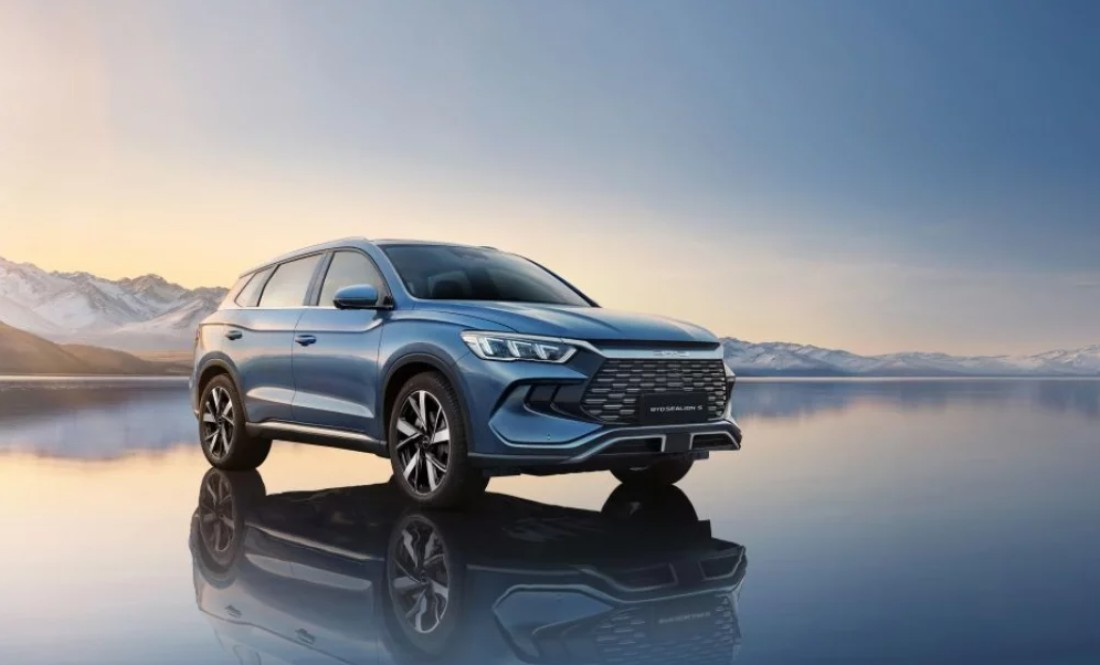
BYD is revolutionising Bangladesh's electric vehicle (EV) market, paving the way for sustainable transportation solutions. In this car guide by Garirbazar, discover how BYD is starting to dominate EV car sales in Bangladesh and begins the transform into market leader in BD’s the EV sector.
Overview of Bangladesh's Electric Vehicle Market
Bangladesh, a country with a burgeoning population and rapid urbanization, faces significant challenges in its transportation sector. With the increasing number of vehicles on its roads, traffic congestion, air pollution, and dependency on fossil fuels have become pressing issues.
In recent years, the country has started to explore alternatives to conventional gasoline and diesel vehicles, with electric vehicles (EVs) emerging as a promising solution. The shift towards EVs is driven by the need to reduce greenhouse gas emissions, improve air quality, and decrease reliance on imported fuels.
Despite the potential benefits, the electric vehicle market in Bangladesh is still in its nascent stages. The country's EV infrastructure, including charging stations and service centres, is underdeveloped, posing a significant barrier to widespread adoption. However, the government and private sector are increasingly recognizing the importance of transitioning to electric mobility. Various initiatives and investments are being made to promote the growth of the EV market, including subsidies, tax incentives, and public awareness campaigns.
In this evolving landscape, BYD (Build Your Dreams), a leading global EV manufacturer, has entered the Bangladeshi market, aiming to accelerate the adoption of electric vehicles. BYD's entry is expected to play a pivotal role in shaping the future of Bangladesh's transportation sector.
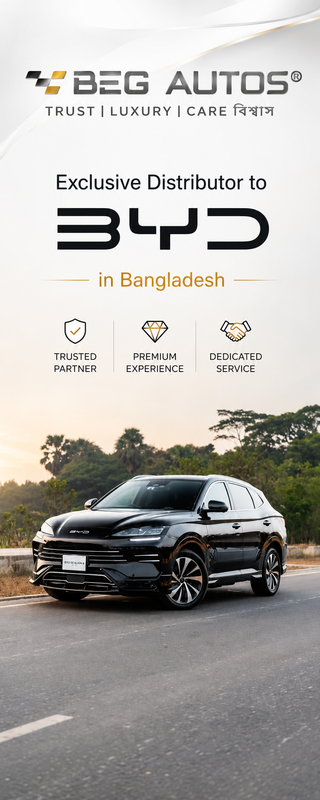
Since making its official debut in Bangladesh in March 2024, global EV powerhouse BYD has established a significant footprint in the country's developing automotive landscape. Partnering with CG Runner BD Ltd. (a joint venture involving the local Runner Group), BYD's market penetration highlights a distinct strategy in terms of actual sales performance and public brand perception.
The Rise of Electric Vehicles in Bangladesh
The adoption of electric vehicles in Bangladesh has been gradual but steady. Initially, the market was dominated by electric rickshaws and three-wheelers, which provided an affordable and eco-friendly transportation option for short distances. These vehicles were well-received, particularly in urban areas, where they helped to alleviate traffic congestion and reduce pollution. However, the transition to electric cars and buses has been slower, primarily due to higher upfront costs and limited infrastructure.
In recent years, the government of Bangladesh has taken several steps to promote the use of electric vehicles. One of the key initiatives is the "Electric Vehicle Policy 2020," which aims to create a favourable environment for the production, import, and use of EVs. The policy includes measures such as reduced import duties on electric vehicles and components, financial incentives for manufacturers, and the development of charging infrastructure. Additionally, the government has set ambitious targets for the adoption of electric vehicles, aiming to have 30% of all vehicles on the road be electric by 2030.
The private sector has also played a crucial role in the growth of the electric vehicle market in Bangladesh. Several local companies have started manufacturing and assembling electric vehicles, while international players like BYD have entered the market, bringing advanced technology and expertise.
The increasing availability of electric vehicles, coupled with rising awareness of their environmental and economic benefits, has led to a growing interest among consumers. As a result, the market for electric vehicles in Bangladesh is poised for significant growth in the coming years.
BYD's Entry into the Bangladeshi Market
BYD, a Chinese multinational company, is one of the world's leading manufacturers of electric vehicles and renewable energy solutions. The company has a strong presence in over 50 countries and regions, and its products range from electric cars and buses to energy storage systems and solar panels. BYD's entry into the Bangladeshi market marks a significant milestone in the country's journey towards sustainable transportation.
BYD's entry into Bangladesh was facilitated by a strategic partnership with local companies and stakeholders. The company has collaborated with local distributors and service providers to ensure a smooth entry and establish a robust supply chain. This collaboration has enabled BYD to leverage local expertise and infrastructure, making its products more accessible to Bangladeshi consumers. Additionally, BYD has invested in training programs to equip local technicians with the skills required to service and maintain electric vehicles, thereby ensuring high-quality after-sales support.
One of the key factors driving BYD's success in Bangladesh is its diverse product portfolio. The company offers a range of electric vehicles, including cars, buses, and trucks, catering to different segments of the market. BYD's vehicles are known for their advanced technology, reliability, and affordability, making them an attractive option for both individual and commercial users. By providing a comprehensive solution that addresses the needs of various stakeholders, BYD has positioned itself as a key player in Bangladesh's electric vehicle market.
Key Models Offered by BYD in Bangladesh
BYD offers a wide range of electric vehicles in Bangladesh, catering to different needs and preferences. One of the most popular models is the BYD e6, a fully electric crossover SUV. The e6 is known for its impressive range, spacious interior, and advanced safety features. With a range of over 400 kilometres on a single charge, the e6 is ideal for both urban commuting and long-distance travel. The vehicle is equipped with a powerful battery and a fast-charging system, allowing it to be charged up to 80% in just 30 minutes.
Another key model offered by BYD in Bangladesh is the BYD T3, an electric van designed for commercial use. The T3 is perfect for businesses that require a reliable and eco-friendly transportation solution for goods and services. The van offers a range of up to 300 kilometres on a single charge and features a spacious cargo area, making it suitable for a variety of commercial applications. The T3 is also equipped with advanced safety and connectivity features, ensuring a comfortable and efficient driving experience.
In addition to its passenger vehicles and commercial vans, BYD also offers electric buses in Bangladesh. The BYD K9 is a fully electric bus designed for public transportation. The K9 offers a range of up to 300 kilometres on a single charge and can be charged quickly using BYD's proprietary fast charging technology. The bus is equipped with advanced safety features, including lane departure warning, collision avoidance, and electronic stability control. The K9 is already being used in several cities around the world, and its introduction in Bangladesh is expected to revolutionize the country's public transportation system.
More recently, BYD Bangladesh launched BYD’s Sealion 5. The BYD Sealion 5 is expected to be a hit in Bangladesh’s EV market given its safety with seven airbags, the BYD's Blade Battery technology, Vehicle-to-Load (V2L) capability, and an Advanced Driver Assistance System (ADAS)/. The Sealion 5 also prioritises comfort and safety with a spacious cabin layout, a panoramic sunroof, and a 12.8-inch infotainment display.
Consumer Perception of BYD Electric Vehicles
Consumer perception plays a crucial role in the adoption of electric vehicles, and BYD has made significant efforts to build a positive image in the Bangladeshi market. One of the key factors contributing to the favourable perception of BYD's electric vehicles is their performance and reliability.
BYD's vehicles are known for their advanced technology, long range, and fast-charging capabilities, making them a practical and convenient option for consumers. The company's commitment to quality and innovation has helped to build trust and confidence among consumers.
Another factor influencing consumer perception is the affordability of BYD's electric vehicles. While the initial purchase price of EVs is higher than that of conventional vehicles, BYD has worked to make its products more accessible to a broader audience. The company offers a range of models at different price points, catering to various segments of the market. Additionally, BYD has collaborated with local financial institutions to provide attractive financing options, making it easier for consumers to purchase electric vehicles.
BYD's efforts to provide excellent after-sales support have also contributed to the positive perception of its electric vehicles. The company has invested in training programs for local technicians and established a network of service centres to ensure that customers receive high-quality maintenance and repair services.
This has helped to alleviate concerns about the availability of support for electric vehicles and has reinforced the company's reputation for reliability. Overall, BYD's commitment to performance, affordability, and customer support has played a key role in shaping consumer perception and driving the adoption of electric vehicles in Bangladesh.
While BYD has generated excellent brand equity and strong initial demand, its future growth remains directly tied to infrastructure. Widespread consumer sentiment dictates that until a robust network of fast-charging stations maps across national highways, mass adoption will favour their plug-in hybrids (DM-i models) over their pure battery-electric cars.
Prospects for BYD and the EV Market in Bangladesh
The prospects for BYD and the electric vehicle market in Bangladesh are promising, driven by a combination of supportive government policies, increasing consumer awareness, and technological advancements. The government's commitment to promoting electric vehicles, as outlined in the "Electric Vehicle Policy 2020," provides a strong foundation for future growth. The policy's focus on reducing costs, improving infrastructure, and raising awareness is expected to create a more conducive environment for the adoption of electric vehicles.
Technological advancements in battery technology, charging infrastructure, and vehicle design are also expected to drive the growth of the electric vehicle market in Bangladesh. Innovations in battery technology, such as increased energy density and faster charging times, will help to address issues related to range anxiety and make electric vehicles more practical for everyday use. Additionally, the development of a robust charging network will make it more convenient for consumers to charge their vehicles, further encouraging adoption.
BYD's continued investment in the Bangladeshi market and its commitment to providing high-quality, affordable electric vehicles will play a crucial role in shaping the future of the EV market. The company's diverse product portfolio, advanced technology, and strong after-sales support position it well to capitalize on the growing demand for electric vehicles. As consumer awareness and acceptance of electric vehicles continue to increase, BYD is expected to play a leading role in driving the transition to electric mobility in Bangladesh.
Conclusion: The Road Ahead for Electric Mobility in Bangladesh
The electric vehicle market in Bangladesh is at a critical juncture, with significant opportunities for growth and development. BYD's entry into the market has brought advanced technology, reliable products, and a commitment to sustainability, helping to accelerate the adoption of electric vehicles. The government's supportive policies, combined with increasing consumer awareness and technological advancements, provide a favourable environment for the growth of the EV market.
As the Bangladesh continues its journey towards electric mobility, the future looks promising. The transition to electric vehicles offers numerous benefits, including reduced greenhouse gas emissions, improved air quality, and decreased reliance on fossil fuels. With the right policies, investments, and consumer support, Bangladesh can pave the way for a greener and more sustainable transportation future.
Thanks for reading GarirBazar’s guest blog about the BYD’s move into the Bangladesh car market for EVs. For similar articles to this, please check out similar blogs in our news and articles page. We wish you all best in your journey to find the best car sales in Bangladesh.