

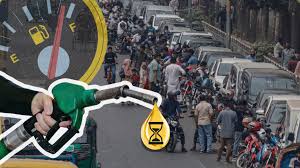
Dhaka's petrol supply situation is in a state of temporary crisis and currently faces numerous challenges, from distribution issues given the supply constraint issue from the Strait of Hormuz to endless queues of cars and bikes waiting to be fuelled at local petrol stations in Dhaka. In this Garirbazar article, we discuss and explore the pressing hurdles and potential solutions for a sustainable future.
Overview of Dhaka's Petrol Supply System
Dhaka, the capital city of Bangladesh, is a bustling metropolis with a growing population and an ever-increasing demand for energy. The petrol supply system in Dhaka is a crucial aspect of the city's infrastructure, ensuring that vehicles, industries, and households have the necessary fuel to operate efficiently. This system is a complex network involving the importation, storage, distribution, and retailing of petrol. The supply chain begins with the import of crude oil or refined petroleum products, which are then transported to various storage facilities before being distributed to petrol stations across the city.
The efficiency of this supply chain is paramount to maintaining the city's economic activities and daily life. Any disruption in the petrol supply can lead to significant challenges, including transportation delays, increased operational costs for businesses, and even social unrest. As such, understanding the intricacies of Dhaka's petrol supply system is vital for identifying potential weaknesses and implementing effective solutions to ensure a steady and reliable flow of fuel.
The petrol supply system in Dhaka is managed by a combination of government entities and private sector companies. The Bangladesh Petroleum Corporation (BPC) plays a central role in the importation and initial distribution of petroleum products. Private companies, on the other hand, are heavily involved in the downstream activities, including the operation of petrol stations and the distribution of fuel to end-users. This collaboration between public and private sectors is essential for maintaining a robust and efficient petrol supply system.
What Causes Dhaka's Petrol Supply Shortage
Due to significant price increases and disruptions in the global supply chain, Dhaka is experiencing a serious shortage of gasoline and octane. Bangladesh imports around 95% of its fuel, therefore the government was forced to raise fuel prices to all-time highs due to the West Asian conflict and oil ship blockades. Several important aspects determine the petroleum and fuel situation, these include
1. The conflict in the Middle East and the blockage of the Strait of Hormuz
About 95% of Bangladesh's oil and gas demands are met by imports, with more than 60% coming straight from Gulf countries including Saudi Arabia, the United Arab Emirates, and Iraq. Major international energy channels were significantly hampered by the start of the US-Israel war with Iran and the following disruption/closure of the Strait of Hormuz. Shipments were delayed as a result, and Bangladesh was obliged to search for more expensive import channels.
2. Domestic Refining Suspended
The nation depends on crude imports for high-grade octane and diesel, even though ordinary gasoline is mostly blended or processed locally using domestic natural gas condensate. A severe shortfall of crude oil supplies led Eastern Refinery Limited (ERL), Bangladesh's sole state-owned oil refinery in Chittagong, to temporarily halt its refining operations in mid-April, severely taxing last-mile distribution.
3. Stress related to money and foreign exchange
Bangladesh's foreign exchange reserves were badly reduced by the worldwide spike in oil prices, and the government's energy subsidy burden increased by billions of dollars. Local oil marketing enterprises found it challenging to obtain and pay for timely imports because of the central bank's inability to smoothly open Letters of Credit (LCs).
4. Market speculation and a delayed pricing policy
Despite skyrocketing international import costs, the government froze domestic fuel rates before to the crisis's apex. Market distortions resulted from this:
i. Hoarding: Some dealers and petrol station owners kept supplies in anticipation of an impending price increase, while illicit fuel syndicates started hoarding fuel.
ii. Supply Mismatch: Regular distribution channels had logistical difficulties and erratic delivery dates because of the official price not accounting for import prices.
5. Fear and Panic Buying
Fearful drivers raced to gas stations to fill up their tanks as reports of fuel shortages spread. The Bangladesh Petroleum Corporation (BPC) implemented temporary fuel rationing, restricting private vehicles to 10 litres per day, and limited pump operation hours in order to control the surge in demand. These stringent restrictions did not save petroleum; instead, they increased public anxiety and led to enormous, hours-long lines all over the nation.
The crisis's intensity has started to lessen. The government deployed paramilitary troops to protect depots from stockpiling, significantly increased fuel distribution to pumps, and imposed a steep, historic price increase to address market distortions. Supply lines have progressively started to stabilize in conjunction with short-term diplomatic ceasefires in the Middle East.
The Historical Background of Dhaka's Gasoline Supply
The history of Dhaka's gasoline supply is intimately linked to Bangladesh's overall industrial and economic growth. The nation's petroleum supply infrastructure was primitive and mostly under state control in the early years after independence in 1971. A more organized approach to handling the nation's fuel needs began in 1976 with the establishment of the Bangladesh Petroleum Corporation to supervise the importation and distribution of petroleum products.
Dhaka had tremendous industrial expansion and urbanization in the 1980s and 1990s, which significantly raised the need for gasoline. During this time, the city's road system grew as the number of private and commercial vehicles increased. The government implemented a number of measures to enhance the infrastructure for the supply of gasoline in order to satisfy this increasing demand, such as building new storage facilities and expanding distribution networks.
With more private sector participation and investments in cutting-edge technologies, Dhaka's gasoline supply system has continued to develop in recent years. The petrol supply chain is now more competitive and efficient as a result of economic liberalization and the expansion of the private sector. But even with these improvements, the system still has a lot of issues that must be resolved in order to guarantee a steady and sustainable supply of gasoline for the city's future requirements.
Structural Challenges Facing the Petrol Supply in Dhaka
One of the most pressing challenges facing Dhaka's petrol supply is the issue of distribution inefficiencies. The city's road network is often congested, leading to delays in the transportation of fuel from storage facilities to petrol stations. This congestion is exacerbated by the lack of adequate infrastructure, such as dedicated lanes for fuel tankers and efficient traffic management systems. As a result, petrol stations frequently experience stockouts, causing inconvenience for consumers and disruptions to business operations.
Another significant challenge is the rising demand for petrol, driven by the city's growing population and increasing number of vehicles. Dhaka's population is estimated to be over 21 million, with a substantial portion relying on petrol for their daily transportation needs. The city's expanding industrial sector also contributes to the heightened demand for fuel. This surge in demand puts immense pressure on the existing supply chain, leading to potential shortages and price volatility.
Additionally, the petrol supply system in Dhaka is vulnerable to external factors, such as fluctuations in global oil prices and geopolitical tensions. Bangladesh relies heavily on imported petroleum products, making it susceptible to international market dynamics. Any disruption in the global supply chain, such as political instability in oil-producing regions or changes in trade policies, can have a direct impact on the availability and cost of petrol in Dhaka. These external dependencies highlight the need for a more resilient and diversified petrol supply system.
Impact of Supply Chain Disruptions on Fuel Availability
Supply chain disruptions can have a profound impact on the availability of petrol in Dhaka, affecting both consumers and businesses. When fuel deliveries are delayed or interrupted, petrol stations may run out of stock, leading to long lines and frustrated customers. This not only inconveniences individuals who rely on their vehicles for daily commutes but also hampers the operations of businesses that depend on a steady supply of fuel for their logistics and transportation needs.
The economic repercussions of supply chain disruptions can be significant. Increased fuel prices due to shortages can lead to higher operational costs for businesses, which may be passed on to consumers in the form of higher prices for goods and services. This can contribute to inflationary pressures and reduce the overall purchasing power of the population. Moreover, supply chain disruptions can lead to decreased productivity and economic output, as businesses may face difficulties in maintaining their operations without a reliable supply of petrol.
In addition to economic impacts, supply chain disruptions can also have social and environmental consequences. For instance, prolonged fuel shortages can lead to increased use of alternative, and often more polluting, fuels. This can result in higher levels of air pollution and negative health outcomes for the population. Furthermore, the social unrest that can arise from fuel shortages and price hikes can lead to instability and undermine public confidence in the government's ability to manage the city's energy needs effectively.
Innovative Solutions for Improving Petrol Supply
To address the challenges facing Dhaka's petrol supply system, innovative solutions are essential. One such solution is the use of advanced data analytics and digital technologies to optimize the supply chain. By leveraging real-time data on fuel consumption patterns, traffic conditions, and inventory levels, fuel distributors can make more informed decisions about when and where to deliver petrol. This can help reduce transportation delays, minimize stockouts at petrol stations, and enhance overall supply chain efficiency.
Another promising innovation is the development of alternative fuel sources. Biofuels, for example, can be produced from agricultural residues, waste materials, and other renewable resources. These fuels can be blended with conventional petrol to reduce the reliance on imported petroleum products and lower the carbon footprint of fuel consumption. Additionally, the promotion of electric vehicles (EVs) and the expansion of EV charging infrastructure can provide a sustainable alternative to petrol-powered vehicles, reducing the demand for petrol and mitigating environmental impact.
Public-private partnerships (PPPs) can also play a crucial role in enhancing the petrol supply system. By fostering collaboration between government agencies and private sector companies, PPPs can facilitate the sharing of resources, expertise, and technology. This can lead to the development of more efficient and resilient supply chain infrastructure, as well as the implementation of innovative solutions for fuel distribution. For example, joint investments in modern storage facilities, automated dispensing systems, and digital platforms for fuel management can significantly improve the reliability and efficiency of the petrol supply network.
Sustainability will also be a key focus in the future petrol supply landscape. There is a growing recognition of the need to reduce the environmental impact of fuel consumption and transition towards cleaner energy sources. This will involve not only the adoption of alternative fuels and technologies but also the implementation of policies and regulations that promote sustainability. For example, the government may introduce incentives for the use of biofuels, impose stricter emissions standards, and invest in research and development of sustainable energy solutions. These efforts will be crucial for ensuring a sustainable and resilient petrol supply system for Dhaka.
Conclusion and Call to Action for Stakeholders
In conclusion, the petrol supply system in Dhaka faces numerous challenges, including distribution inefficiencies, rising demand, supply chain disruptions, and environmental concerns. Addressing these challenges requires a comprehensive and multi-faceted approach, involving both government and private sector stakeholders. By leveraging innovative solutions, promoting sustainability, and fostering collaboration, it is possible to build a more resilient and efficient petrol supply system that meets the needs of the city's growing population and supports its economic development.
Stakeholders, including government agencies, private companies, and civil society organizations, must work together to implement effective policies and strategies for improving the petrol supply system. This includes investing in modern infrastructure, adopting cleaner fuels and technologies, and enhancing regulatory frameworks to ensure compliance and sustainability. Public awareness and engagement are also essential, as consumers play a crucial role in driving demand patterns and supporting sustainable practices.
Ultimately, a reliable and sustainable petrol supply system is vital for the well-being and prosperity of Dhaka. By addressing the current challenges and embracing future trends, stakeholders can ensure that the city has a robust and efficient energy infrastructure that supports its continued growth and development. Now is the time for concerted action and collaboration to secure a sustainable energy future for Dhaka.
We hope you found reading GarirBazar’s article insightful about Dhaka's Petrol Supply Crisis. Please check our news and articles related to the Bangladesh car sector. We wish you all best in your journey to find the best car sales in Bangladesh.