

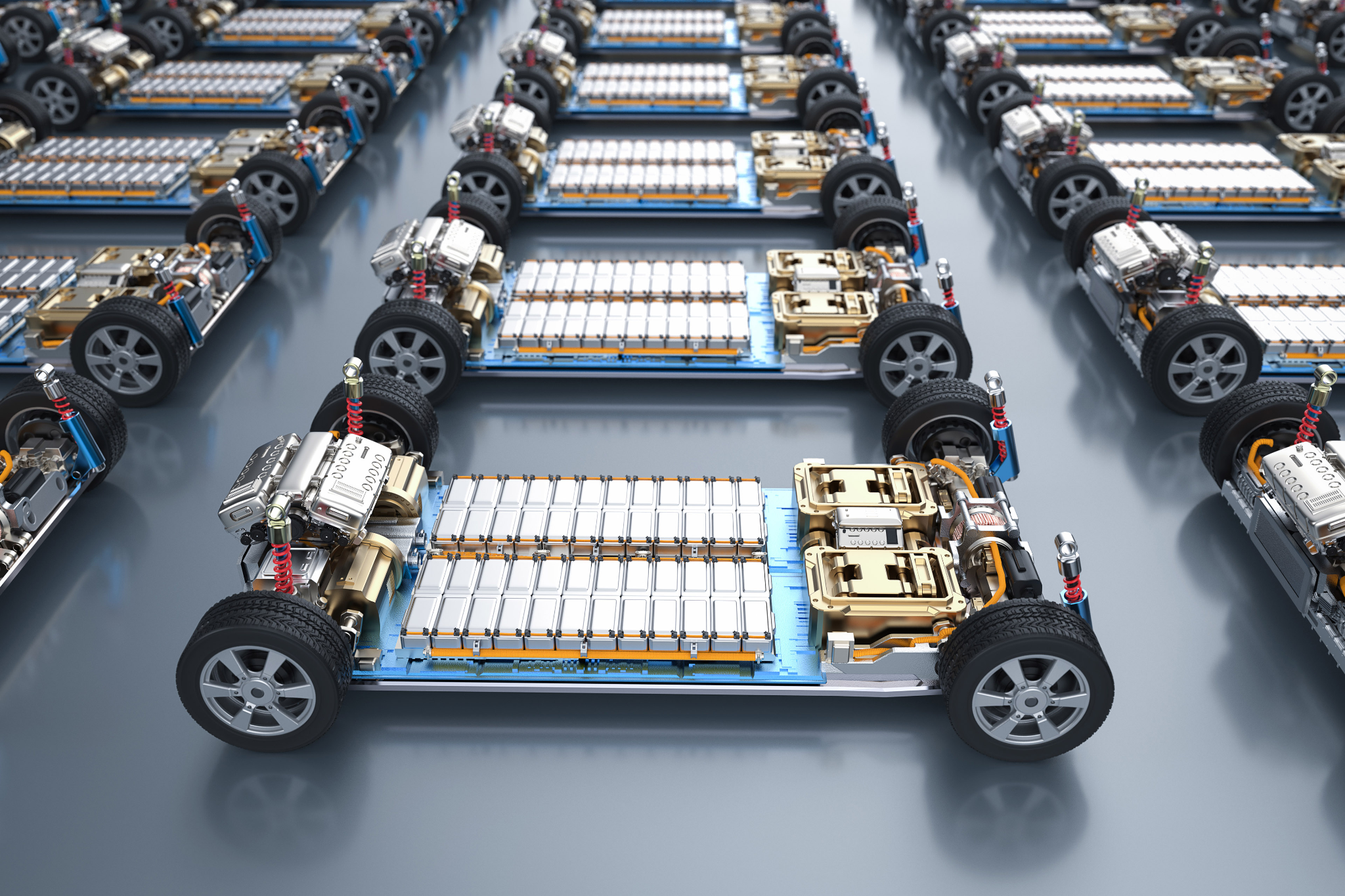
Bangladesh is making bold strides toward sustainable transportation through its ambitious Bangladesh green mobility initiative. With a focus on electric vehicles (EVs), comprehensive policy shifts, and strategic infrastructure upgrades, the nation is gearing up for a cleaner, smarter transport future by 2030.
EV Adoption Targets and Incentives
At the heart of this shift is the aim to achieve a 15–30% share of EVs within the vehicle fleet by 2030. To promote Bangladesh green mobility, the government is offering strong incentives: duty and VAT reductions of up to 60% for electric vehicles and components. Local assembly is also favored, bringing down costs and encouraging manufacturers to invest domestically.
Expanding Charging Infrastructure Nationwide
With current EV uptake hindered by a lack of charging points, expanding infrastructure is a priority. The country plans to scale from just a few stations to hundreds, ensuring urban centers, highways, and public amenities—such as shopping malls and offices—host accessible charging options. This electrified network is essential for the success of Bangladesh green mobility, reducing range anxiety and enabling everyday usability.
Regulatory Advances and Green Urban Planning
To streamline the transition, updated EV registration and operating guidelines have been introduced. These policies ensure safe practice, vehicle life-cycle tracking, and proper scrappage after vehicle lifespan ends. Meanwhile, city efforts like in Dhaka—where planners envision 10% of private vehicles electric by 2030 and full EV public transit by 2040—reflect long-term alignment with the Bangladesh green mobility vision.
Towards a Clean, Efficient Transport Ecosystem
This EV-focused framework supports both environmental and economic goals. Cleaner vehicle adoption promises better air quality and health outcomes, particularly in congested cities. Incentives for local manufacturing and assembly foster job growth and industrial modernization. The integration of smart grid systems and potential use of solar-powered charging further embed Bangladesh green mobility in the wider energy strategy.
What It Means for Consumers and Businesses
-
For drivers: Lower import taxes and increasing access to charging make EVs more affordable and appealing.
-
For businesses: A growing EV ecosystem opens investment opportunities in assembly, charging systems, and vehicle services.
-
For society: Reduced emissions, healthier urban environments, and technological progression mark clear gains.
To browse EV models, charging solutions, or automotive services advancing this transition, explore options via Asia Car Group’s portal.
Are you planning to switch to an electric vehicle in Bangladesh? Share your thoughts or plans—your input can guide others navigating the shift toward Bangladesh green mobility 2030!