

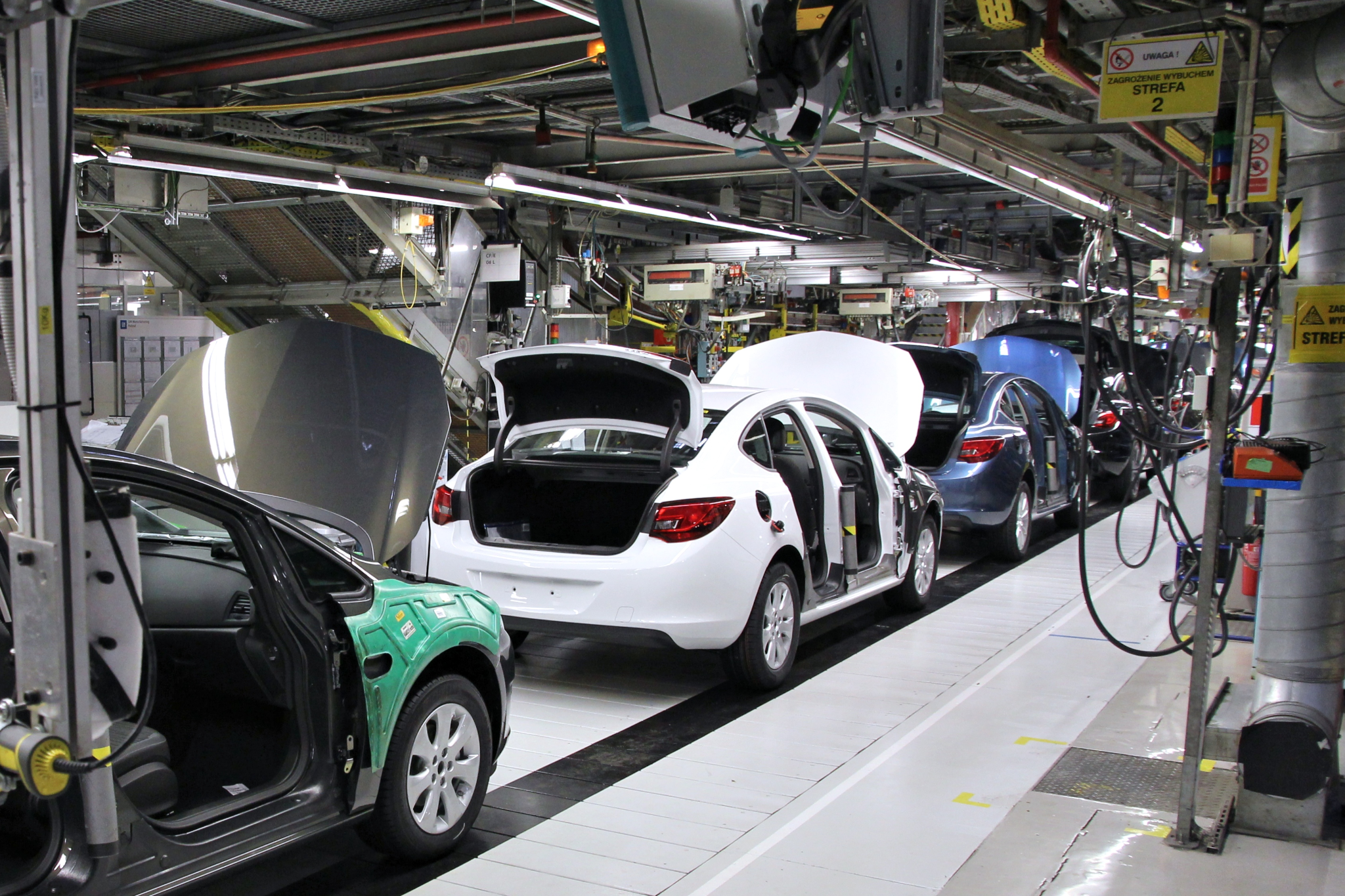
The private passenger vehicle sector in the country has recently hit a significant roadblock. For the first time in over a decade, the industry is witnessing a severe car sales drop, reflecting broader financial challenges across the nation. In 2025, fresh registrations of private passenger vehicles plummeted to just 9,387 units, a stark contrast to the 10,499 units recorded in 2024 and 10,784 in 2023. This ongoing car sales drop marks the absolute weakest annual performance since 2011, highlighting a prolonged downturn in a sector that previously enjoyed steady, robust growth before the global pandemic disrupted markets.
Industry experts point to a complex combination of persistent economic strain and domestic political uncertainty as the primary catalysts for this sharp decline. A continuously tightening money market has created widespread unease, significantly diminishing consumer purchasing power and making potential buyers highly cautious about committing to any big-ticket investments or long-term financial liabilities.
The Impact of Soaring Costs and Interest Rates
One of the most immediate and painful triggers for the current car sales drop is the skyrocketing cost of borrowing money. Consumer lending rates surged dramatically in 2025, climbing steadily between 12 and 15 percent. This is a remarkably steep increase from the highly favorable 8 to 9 percent range seen just a few short years prior. This massive jump in financing costs has heavily discouraged everyday consumers from taking out standard auto loans to finance their mobility needs.
Simultaneously, rapid currency depreciation has severely inflated overall vehicle prices on the showroom floor. The local currency's sharp depreciation against the US dollar automatically pushed up the cost of importing completely built units and popular reconditioned cars. For instance, an entry-level vehicle that previously cost around Tk 16 lakh has now rapidly ballooned to nearly Tk 24 lakh. Furthermore, the corresponding automatic rise in vehicle import duties means that many reliable, everyday models have now completely moved beyond the financial reach of the average middle-income buyer, further fueling the nationwide car sales drop.
Supply Chain Woes and Market Sentiment
Beyond severe domestic financial pressures, international supply constraints have also played a crucial and undeniable role in this crisis. Japan remains the primary, undisputed source of affordable imported vehicles for the country. However, severe production bottlenecks during the pandemic years of 2021 and 2022 have made eligible, five-year-old models incredibly scarce and highly expensive at international vehicle auctions.
When local importers attempt to bid on these limited units today, the starting prices are already exceptionally high before any domestic taxes are even applied or shipping costs are calculated. This foreign scarcity, combined with a disrupted local business environment and weakened consumer confidence due to ongoing political shifts, perfectly explains the drastic car sales drop observed over the last twelve months.
Many automotive businesses and private dealerships are currently struggling with unsold, depreciating inventory as buyers firmly hold onto their cash out of fear of future financial instability. For those closely tracking these regional market shifts and evaluating when the industry might finally successfully recover, finding reliable daily updates is absolutely essential. You can seamlessly explore expert analysis and market trends at AsiaCarNews.
Unless there is a significant, immediate reduction in import tariffs or a massive stabilization in the domestic financial sector, experts strongly warn that overcoming this massive car sales drop will be a slow, painful, and uphill battle for the entire automotive industry.
How has the rising cost of living affected your plans to purchase a new or upgraded vehicle this year? Do you think the government should lower import taxes to help middle-class buyers?