
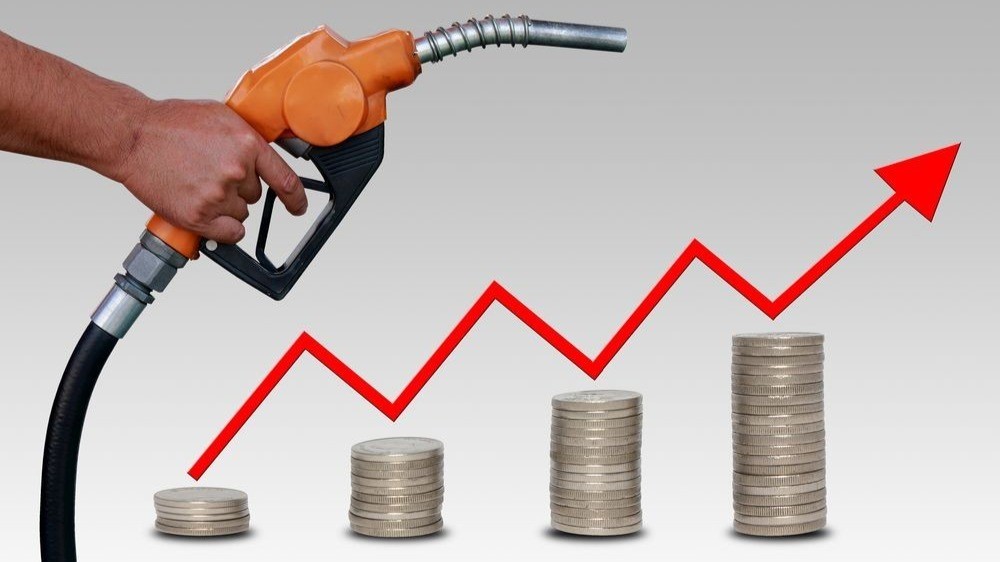
Many people are struggling with rising petrol costs in Dhaka given the petrol supply shortage given the geopolitical events relating to the petrol supply shortage from the Strait of Hormuz during the first quarter of 2026. In this GarirBazar article, we aim to help our readers reduce the rising fuel costs in Dhaka by following several essential tips to cut petrol expenses and save money effectively.
Understanding the Current Petrol Prices in Dhaka
The relentless rise in petrol prices has become a pressing concern for residents of Dhaka. The ever-fluctuating global oil markets, combined with local economic factors, have made petrol a significant part of the household budget. As the cost per litre climbs, the financial strain on daily commuters and vehicle owners intensifies. To put this into perspective, Dhaka's petrol prices have seen a marked increase over the past few years, paralleling global trends but also affected by regional supply and demand dynamics.
One of the primary contributors to Dhaka’s high petrol costs is its reliance on imported fuel. With limited domestic production, the city depends heavily on international markets, which are often volatile. Political instability, natural disasters, and geopolitical tensions can all lead to sudden spikes in prices. Additionally, the local taxation policies also play a role in the final pump price that consumers face, often adding to the burden.
Understanding these factors is crucial for residents who aim to manage their fuel expenses better. By being aware of the underlying causes of price fluctuations, individuals can make more informed decisions about their fuel consumption habits and better prepare for future changes. Recognizing the broader economic landscape helps in strategizing effective ways to mitigate the impact of rising petrol costs on one's daily life.
The Impact of Fuel Costs on Daily Commuting
For many Dhaka residents, commuting is an unavoidable daily routine, whether for work, education, or personal errands. High petrol prices directly affect the cost of commuting, making it more expensive to travel even short distances. This increase in commuting costs can quickly add up, especially for those who rely on their vehicles for daily travel. The cumulative effect of these expenses can strain household budgets, forcing individuals to reallocate funds from other essential areas.
The financial impact of high fuel costs extends beyond individual commuters. Public transportation services, which many residents depend on, also face increased operational costs due to higher fuel prices. This can lead to increased fares, making public transportation less affordable for the average commuter. Consequently, the overall cost of living in Dhaka rises, affecting everyone from daily wage earners to salaried professionals.
Moreover, the environmental implications of increased fuel consumption should not be overlooked. Higher petrol prices often lead to more conscious driving habits, but the overall reliance on petrol-powered vehicles contributes to air pollution and greenhouse gas emissions. This environmental cost is an additional layer of the impact that high fuel costs have on the city, affecting public health and contributing to global climate change.
Practical Tips for Reducing Fuel Consumption
Reducing fuel consumption is not only beneficial for your wallet but also for the environment. One effective way to cut down on petrol usage is by adopting more efficient driving habits. For instance, avoiding aggressive driving behaviours such as rapid acceleration and hard braking can significantly improve fuel economy. Maintaining a steady speed and using cruise control on highways can also help conserve fuel.
Another practical tip is to plan your trips more efficiently. Combining errands into a single trip rather than making multiple short trips can reduce the total distance travelled and, consequently, the amount of petrol used. Carpooling with friends or family members who have similar destinations can also lead to substantial savings on fuel costs. Moreover, choosing the most fuel-efficient routes, even if they are slightly longer, can sometimes result in lower overall fuel consumption due to less stop-and-go traffic.
Keeping your vehicle light can also contribute to better fuel efficiency. Removing unnecessary weight from your car, such as heavy tools or sports equipment, can improve mileage. Additionally, reducing aerodynamic drag by removing roof racks or carriers when they are not in use can further enhance fuel economy. These small changes can add up over time, leading to significant savings on petrol costs.
The Role of Vehicle Maintenance in Fuel Efficiency
Regular vehicle maintenance plays a crucial role in ensuring optimal fuel efficiency. One of the most important aspects of vehicle upkeep is maintaining proper tire pressure. Under-inflated tires can increase rolling resistance, which in turn reduces fuel efficiency. Checking tire pressure regularly and keeping it at the recommended level can lead to better mileage and reduced petrol costs.
Another key maintenance task is ensuring that your engine is running smoothly. A well-tuned engine operates more efficiently and consumes less fuel. Regular oil changes, replacing air filters, and ensuring that spark plugs are in good condition can all contribute to improved engine performance. Keeping an eye on the vehicle's fuel system, including the fuel injectors and fuel pump, is also essential to maintain optimal fuel efficiency.
Additionally, aligning your wheels and ensuring that your vehicle's suspension is in good condition can help reduce fuel consumption. Misaligned wheels can cause your car to work harder, thus using more petrol. Regularly checking and replacing worn-out components can keep your vehicle running efficiently and help you save on fuel costs in the long run.
Exploring Alternative Transportation Options
As petrol prices continue to rise, exploring alternative transportation options becomes increasingly important. One viable option is using public transportation. Dhaka's public transport system, including buses and trains, offers a cost-effective alternative to driving. By opting for public transport, you can significantly reduce your fuel expenses and contribute to reducing traffic congestion and pollution in the city.
Another alternative is cycling. Dhaka has seen a growing number of cycling enthusiasts, and for a good reason. Cycling is not only a sustainable mode of transportation but also an excellent way to stay fit. With the right safety gear and by following traffic rules, cycling can be a practical and eco-friendly way to navigate the city, especially for shorter distances.
Walking is perhaps the simplest and most eco-friendly transportation option available. For short trips, walking can be a great way to save on fuel costs while also getting some exercise. Dhaka's dense urban environment often makes walking a convenient and time-efficient option, especially in areas with heavy traffic where driving can be slow and frustrating.
Carpooling: Benefits and How to Organize It
Carpooling offers numerous benefits, both financially and environmentally. By sharing a ride with others, you can split the cost of petrol, reducing your individual expenses. Carpooling also helps decrease the number of vehicles on the road, leading to reduced traffic congestion and lower overall emissions. This collective effort contributes to a cleaner environment and a more efficient transportation system.
Organizing a carpool can be straightforward with a bit of planning. Start by identifying friends, family members, or colleagues who have similar commuting routes and schedules. Once you have a group, establish a schedule that works for everyone. Rotate driving responsibilities to ensure that the burden is evenly distributed. Clear communication is key to a successful carpooling arrangement, so make sure to discuss and agree on logistics, such as pickup points and departure times.
Several apps and online platforms can facilitate carpooling arrangements. These tools can help you find potential carpool partners and streamline the coordination process. By leveraging technology, you can make carpooling more convenient and efficient, increasing the likelihood of a successful and sustainable carpooling system.
Utilizing Technology to Monitor Fuel Usage
Technology can be a powerful ally in your quest to reduce fuel consumption. Many modern vehicles come equipped with onboard computers that provide real-time data on fuel efficiency. By monitoring this information, you can adjust your driving habits to maximize fuel economy. For example, you can use the data to identify and avoid behaviours that lead to higher fuel consumption, such as excessive idling or rapid acceleration.
There are also several mobile apps available that can help you track your fuel usage and expenses. These apps allow you to log your fuel purchases, monitor your vehicle's mileage, and analyze trends in your fuel consumption. By keeping a detailed record, you can identify patterns and make informed decisions about how to reduce your petrol costs. Some apps even offer tips and recommendations for improving fuel efficiency based on your driving habits.
In addition to monitoring fuel usage, technology can also help you find the cheapest petrol prices in your area. Several apps and websites provide real-time information on petrol prices at different stations, allowing you to choose the most affordable option. By taking advantage of these tools, you can ensure that you are always getting the best possible price for your fuel.
Government Initiatives and Subsidies for Fuel Savings
In response to rising fuel costs, the government has introduced several initiatives and subsidies aimed at helping residents save on petrol expenses. One such initiative is the promotion of fuel-efficient vehicles. By offering tax incentives and subsidies for purchasing hybrid or electric vehicles, the government encourages the adoption of more energy-efficient transportation options. These vehicles not only reduce fuel consumption but also contribute to lower emissions, benefiting the environment.
Another government initiative focuses on improving public transportation infrastructure. By investing in the expansion and modernization of the public transport system, the government aims to provide residents with more affordable and efficient alternatives to driving. Enhanced public transportation options can reduce the reliance on personal vehicles, leading to decreased petrol consumption and lower overall transportation costs for individuals.
Additionally, the government has implemented programs to raise awareness about fuel-saving practices. Public campaigns and educational initiatives aim to inform residents about the benefits of efficient driving habits, regular vehicle maintenance, and alternative transportation options. By fostering a culture of fuel efficiency, these efforts can contribute to long-term savings for individuals and the community as a whole.
Budgeting for Petrol Expenses: A Smart Approach
Creating a budget for petrol expenses is a practical way to manage your fuel costs effectively. Start by tracking your current fuel expenses over a period of time to get a clear understanding of your consumption patterns. This information will help you set a realistic budget based on your driving habits and needs. Be sure to account for any variations in fuel prices and adjust your budget accordingly.
Once you have established a budget, look for ways to stick to it. Implementing the fuel-saving tips mentioned earlier, such as efficient driving habits and regular vehicle maintenance, can help you stay within your budget. Additionally, consider setting aside a portion of your budget for unexpected expenses, such as sudden increases in fuel prices or emergency repairs. Having a buffer can provide financial stability and peace of mind.
Regularly reviewing and adjusting your budget is essential to ensure its effectiveness. Monitor your fuel expenses and compare them to your budgeted amount. If you consistently exceed your budget, reassess your driving habits and look for additional ways to cut costs. On the other hand, if you find that you are consistently under budget, consider redirecting those savings towards other financial goals, such as paying off debt or building an emergency fund.
Conclusion: Taking Action to Save on Petrol Costs
Reducing petrol costs in Dhaka requires a multifaceted approach that combines practical tips, technological tools, and government initiatives. By understanding the factors influencing petrol prices and their impact on daily commuting, you can take proactive steps to manage your fuel expenses more effectively. Adopting efficient driving habits, maintaining your vehicle, and exploring alternative transportation options are all practical strategies that can lead to significant savings.
Carpooling and utilizing technology to monitor fuel usage can further enhance your efforts to cut petrol costs. By leveraging these resources, you can make more informed decisions and optimize your fuel consumption. Additionally, staying informed about government initiatives and subsidies can provide valuable opportunities for further savings and support.
Ultimately, creating a budget for petrol expenses and regularly reviewing your spending can help you stay on track and achieve your financial goals. By taking action today and implementing these strategies, you can navigate the challenges of rising petrol costs and enjoy greater financial stability and peace of mind. Start making changes now and take control of your fuel expenses to save more and live better in Dhaka.
We hope you found this GarirBazar blog interesting about ways to save petrol costs in Dhaka. If you found this article useful, the please check our news and articles related to the Bangladesh car sector. Wishing you the very best in your journey in finding your dream car sale in Bangladesh!