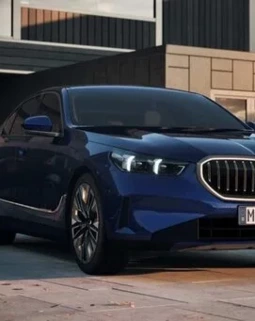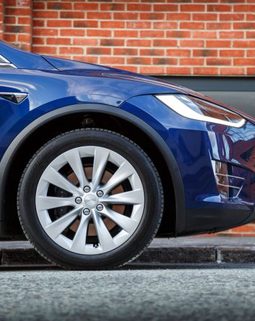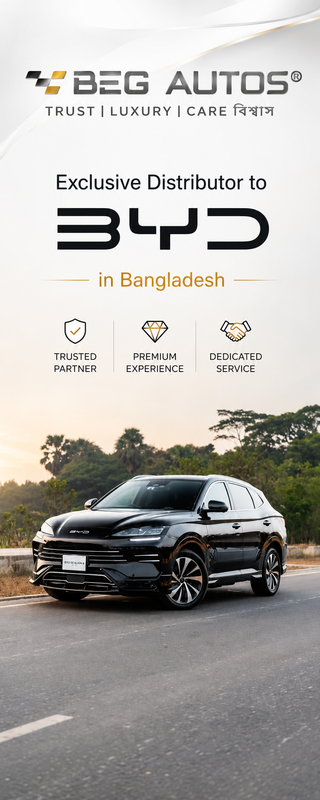

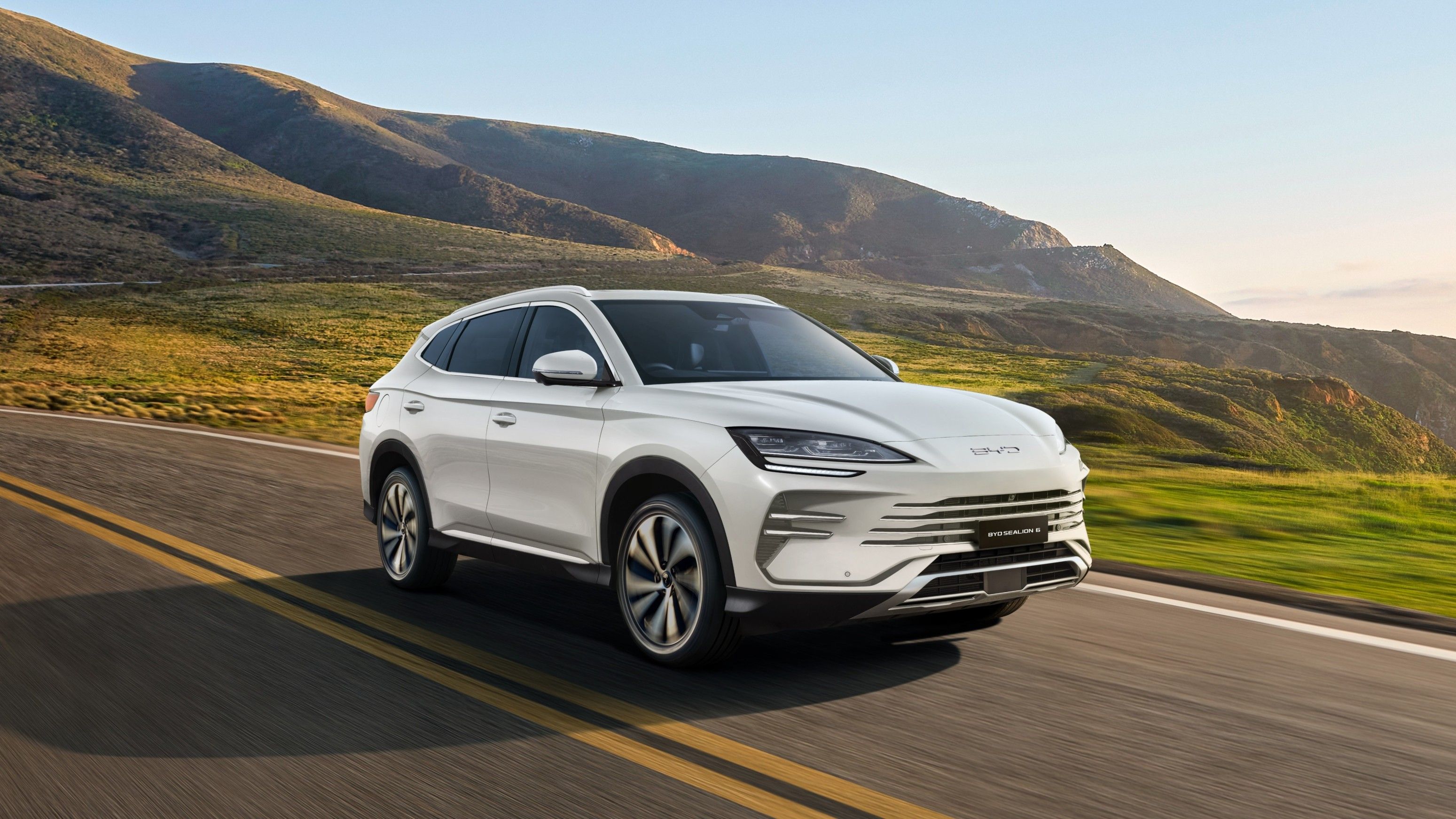
Bangladesh's auto market is experiencing a thrilling transformation with exciting new car entrants that promise to redefine driving experiences and fuel innovation. In this article by GarirBazar, we explore the new car entrants that are beginning to shape the market for new car sales in Bangladesh.
Overview of Bangladesh's Auto Market Landscape
Bangladesh's automotive market is undergoing significant changes, marked by rapid growth and transformation. The country's economic upturn and increasing disposable income among its population have spurred a burgeoning demand for automobiles. For many years, the market was dominated by reconditioned cars, primarily imported from Japan, but this trend is gradually shifting. More consumers are now opting for brand-new vehicles, drawn by the allure of cutting-edge technology, advanced safety features, and the prestige associated with new car ownership.
The geographical landscape of Bangladesh, characterized by its dense urban centres and expanding rural areas, also influences the auto market. Dhaka, the capital city, represents the largest single market for automobile sales, but secondary cities like Chittagong, Khulna, and Sylhet are catching up swiftly. Improvements in infrastructure, such as new highways and bridges, further facilitate the penetration of cars into these areas, making personal vehicles more viable and desirable for a broader segment of the population.
Additionally, the automotive market in Bangladesh is also being reshaped by the younger generation. Tech-savvy and aspirational, young buyers are more inclined toward modern, sophisticated vehicles that offer a blend of style, efficiency, and connectivity. This shift in demographics is prompting auto manufacturers to introduce models that cater specifically to the tastes and preferences of younger consumers, who value innovation and sustainability.
Key Trends Driving the Automotive Industry in Bangladesh
Several key trends are driving the growth and transformation of the automotive industry in Bangladesh. One prominent trend is the increasing preference for fuel-efficient and environmentally friendly vehicles. With rising fuel prices and growing environmental awareness, consumers are looking for cars that offer better mileage and reduced emissions. This trend has led to a surge in demand for hybrid and electric vehicles, prompting manufacturers to introduce more eco-friendly models in the market.
Another significant trend is the digitalization of the car buying process. The advent of online platforms and digital marketplaces has revolutionized how consumers research, compare, and purchase vehicles. Car manufacturers and dealers are leveraging digital tools to enhance customer engagement, offer virtual tours, and facilitate online bookings. This trend is particularly appealing to the tech-savvy younger generation, who prefer the convenience and transparency offered by online transactions.
Moreover, the rise of ridesharing and car-hailing services is reshaping the automotive landscape in Bangladesh. Companies like Pathao, Uber, and Shohoz are making personal car ownership less essential, especially in congested urban areas. This trend is driving the demand for compact, fuel-efficient cars that are well-suited for city driving. Additionally, it is creating opportunities for new entrants to introduce innovative models that cater to the needs of ride-sharing platforms.
Emerging Car Brands in Bangladesh
The Bangladeshi automotive market is witnessing the entry of several new car brands that are making a significant impact. Among these, Chinese brands like Great Wall Motors and Changan have been particularly successful. These brands offer a range of affordable yet feature-rich vehicles that appeal to price-sensitive consumers. Their strategic partnerships with local dealers and aggressive marketing campaigns have helped them quickly gain a foothold in the market.
Indian car brands like Tata Motors and Mahindra are also expanding their presence in Bangladesh. Known for their robust and reliable vehicles, these brands are popular among consumers looking for durable cars that can withstand the challenging road conditions in Bangladesh. Tata's compact cars and Mahindra's SUVs are particularly well-received, offering a blend of affordability, performance, and versatility.
Additionally, South Korean brands like Hyundai and Kia are making significant inroads into the Bangladeshi market. These brands are known for their stylish designs, advanced technology, and excellent value for money. Hyundai's popular models like the Creta and Kia's Seltos have garnered a strong following among Bangladeshi consumers, thanks to their modern features and competitive pricing. These emerging brands are not only diversifying the market but also setting new standards for quality and innovation.
Electric Vehicles: The Future of Transportation in Bangladesh
Electric vehicles (EVs) are poised to reshape the future of transportation in Bangladesh. As the global automotive industry shifts towards sustainability, Bangladesh is also embracing this green revolution. The government's commitment to reducing carbon emissions and promoting clean energy is driving the adoption of EVs. Incentives such as tax breaks, reduced import duties, and subsidies are encouraging both manufacturers and consumers to consider electric options.
Several international and local brands are introducing electric models to cater to the growing demand. Nissan, for instance, has launched its popular Leaf EV in Bangladesh, offering a practical and eco-friendly alternative to traditional gasoline-powered cars. Local manufacturers like Walton are also stepping into the EV market, developing affordable electric scooters and motorcycles tailored to the needs of Bangladeshi consumers. These initiatives are not only promoting sustainable transportation but also fostering innovation within the local automotive industry.
The proliferation of EV charging infrastructure is another critical factor in the rise of electric vehicles in Bangladesh. Companies like BPDB (Bangladesh Power Development Board) and private enterprises are investing in charging stations across major cities and highways. This growing network of charging points is alleviating range anxiety and making EVs a more viable option for daily commuting. As the infrastructure continues to improve, the adoption of electric vehicles is expected to accelerate, paving the way for a cleaner and more sustainable future.
The Role of Government Policies in Shaping the Auto Market
Government policies play a crucial role in shaping the automotive market in Bangladesh. The government's focus on economic growth and infrastructure development directly impacts the auto industry. Policies aimed at improving road infrastructure, reducing traffic congestion, and enhancing public transportation systems create a favourable environment for car sales. Moreover, the government's efforts to streamline import regulations and reduce tariffs on new cars have made it easier for consumers to access a wider range of vehicles.
In addition to infrastructure and regulatory reforms, the government is also promoting the adoption of environmentally friendly vehicles. Policies such as tax incentives for hybrid and electric vehicles, subsidies for EV charging infrastructure, and stricter emission standards are encouraging both manufacturers and consumers to embrace greener alternatives. These initiatives align with Bangladesh's commitment to the Paris Agreement and its goal of reducing greenhouse gas emissions.
Furthermore, the government's focus on fostering local manufacturing and assembly of vehicles is driving growth in the auto sector. By offering incentives for setting up manufacturing plants and promoting joint ventures between local and international companies, the government is encouraging the development of a robust automotive industry. This not only creates jobs and boosts the economy but also reduces the country's dependence on imported vehicles. As government policies continue to evolve, they will play a pivotal role in shaping the future of Bangladesh's automotive market.
Consumer Preferences and Buying Behavior
Consumer preferences and buying behavior in Bangladesh are evolving rapidly, influenced by changing lifestyles, economic factors, and technological advancements. One notable trend is the increasing demand for compact and fuel-efficient cars. As urbanization accelerates and traffic congestion becomes a daily challenge, consumers are opting for smaller vehicles that are easier to manoeuvre and park in crowded city streets. These cars not only offer better fuel efficiency but also come with advanced features and modern designs that appeal to young and tech-savvy buyers.
Another significant shift in consumer behavior is the growing preference for feature-rich vehicles. Bangladeshi consumers are becoming more discerning and value-conscious, seeking cars that offer a blend of safety, comfort, and convenience. Features such as advanced infotainment systems, automatic transmission, air conditioning, and enhanced safety measures like airbags and ABS are becoming standard requirements. As a result, manufacturers are focusing on introducing models that cater to these preferences, ensuring they offer a competitive edge in the market.
Additionally, the rise of digital platforms is transforming how consumers research and purchase cars. Online reviews, virtual showrooms, and digital financing options are empowering consumers to make informed decisions from the comfort of their homes. This digital shift is particularly appealing to the younger generation, who are accustomed to the convenience and transparency of online transactions. As digitalization continues to permeate the automotive industry, it is likely to further influence consumer behavior and reshape the car buying process in Bangladesh.
Challenges Faced by New Entrants in the Market
Despite the promising prospects, new entrants in Bangladesh's automotive market face several challenges. One of the primary hurdles is the intense competition from established brands. Long-standing players have built strong brand loyalty and trust among consumers, making it difficult for new entrants to gain a foothold. To overcome this challenge, new brands need to differentiate themselves through innovative products, competitive pricing, and superior customer service.
Another significant challenge is the complex regulatory environment. Navigating the maze of import regulations, tax policies, and compliance requirements can be daunting for new entrants. The high import duties on vehicles and the bureaucratic red tape involved in obtaining necessary approvals can increase costs and delay market entry. To mitigate these challenges, new entrants must invest in understanding the local regulatory landscape and building relationships with key stakeholders.
Furthermore, the lack of robust infrastructure poses a challenge for new entrants, particularly those introducing electric vehicles. The limited availability of charging stations, inadequate road networks, and unreliable power supply can deter consumers from adopting new technologies. To address these issues, new entrants need to collaborate with government agencies and private sector partners to develop the necessary infrastructure and create a conducive environment for their products. Overcoming these challenges will be crucial for new entrants to succeed in Bangladesh's dynamic automotive market.
Impact of Technology on Car Manufacturing and Sales
Technology is revolutionizing car manufacturing and sales in Bangladesh, driving innovation and efficiency across the industry. In manufacturing, advancements in automation and robotics are enhancing production processes, reducing costs, and improving quality. Modern assembly lines equipped with robotic arms and automated systems enable manufacturers to produce vehicles with greater precision and consistency. This not only boosts production capacity but also ensures that the final products meet stringent quality standards.
In addition to automation, the integration of advanced technologies like artificial intelligence (AI) and the Internet of Things (IoT) is transforming car manufacturing. AI-powered systems are being used for predictive maintenance, quality control, and supply chain optimization. IoT devices enable real-time monitoring of manufacturing processes, allowing manufacturers to identify and address issues promptly. These technological advancements are streamlining operations, reducing downtime, and enhancing overall productivity in the automotive sector.
On the sales front, technology is reshaping how consumers interact with dealerships and purchase vehicles. The rise of digital platforms and e-commerce has made it easier for consumers to research, compare, and buy cars online. Virtual showrooms and augmented reality (AR) tools provide immersive experiences, allowing consumers to explore car features and configurations from the comfort of their homes. Additionally, digital financing options and online payment gateways are simplifying the purchasing process, making it more convenient and accessible. As technology continues to evolve, it will further transform car manufacturing and sales, driving growth and innovation in Bangladesh's automotive industry.
Future Predictions for Bangladesh's Automotive Sector
The future of Bangladesh's automotive sector looks promising, with several trends and developments expected to shape its trajectory. One of the key predictions is the continued growth of electric vehicles (EVs). As environmental concerns and government incentives drive the adoption of EVs, the market share of electric cars and two-wheelers is expected to increase significantly. Advances in battery technology, coupled with the expansion of charging infrastructure, will further accelerate this transition towards sustainable transportation.
Another prediction is the rise of connected and autonomous vehicles. As technology evolves, cars equipped with advanced connectivity features and autonomous driving capabilities will become more prevalent in Bangladesh. These smart vehicles will offer enhanced safety, convenience, and efficiency, transforming the driving experience. The integration of AI, IoT, and 5G technology will enable real-time communication between vehicles and infrastructure, paving the way for smarter and more efficient transportation systems.
Moreover, the growth of the automotive sector is likely to spur the development of local manufacturing and assembly plants. With government support and favourable policies, more international and local companies will invest in setting up production facilities in Bangladesh. This will not only reduce the country's reliance on imported vehicles but also create jobs and boost the economy. As the automotive sector continues to evolve, it will play a pivotal role in driving economic growth and technological advancement in Bangladesh.
Conclusion: The Road Ahead for New Car Entrants
The road ahead for new car entrants in Bangladesh's automotive market is filled with both opportunities and challenges. As the market evolves, new entrants must navigate a competitive landscape, complex regulations, and infrastructure limitations. However, the growing demand for innovative, fuel-efficient, and environmentally friendly vehicles presents a significant opportunity for brands that can offer unique value propositions.
Collaborating with government agencies, investing in technology, and understanding consumer preferences will be crucial for new entrants to succeed. By leveraging advancements in manufacturing and sales technology, new brands can differentiate themselves and build a loyal customer base. Additionally, fostering partnerships with local stakeholders and investing in infrastructure development will create a conducive environment for growth.
As Bangladesh's automotive market continues to transform, new entrants have the potential to shape the future of transportation in the country. By embracing innovation, sustainability, and customer-centric strategies, they can not only succeed in the market but also contribute to the broader goal of driving economic growth and environmental sustainability. The journey ahead may be challenging, but with the right approach, new car entrants can navigate the road to success and make a lasting impact on Bangladesh's automotive landscape.
Looking for the best deals and car prices in Bangladesh? Then check out GarirBazar’s vast range of new, used and reconditioned car listings and inventory to find the best car price in Bangladesh. If you found this article useful, the please check our news and articles related to the Bangladesh car sector.