
Bangladesh is on an ambitious path to becoming a high-income nation by 2041, a goal inextricably linked to developing a highly efficient and modern transport infrastructure. For cities like Dhaka, where chronic Traffic Congestion costs billions annually, shifting away from a reliance on private cars is not just an environmental choice—it’s an economic necessity. The government has clearly identified this need, setting a national target for a 25% Modal Shift of passenger kilometres to mass transit systems by 2030. This push is the central pillar of achieving true Sustainable Urban Mobility.
The dominance of private vehicles exacerbates air pollution and makes commutes unpredictable. The solution lies in modern, integrated public transport that is safer, faster, and more appealing than driving alone.
The Dawn of Sustainable Urban Mobility in Bangladesh
The clearest sign of this transformation is the rapid development of the metro system. The Dhaka Metro Rail (MRT Line 6), which is now operational across significant segments, offers commuters a swift, reliable, and entirely electric solution. This system is a prime example of Low-Carbon Transport and instantly provides a predictable journey time, a luxury previously unheard of in the capital. The extension work towards Kamalapur is progressing quickly, signaling a commitment to expanding the network's reach.
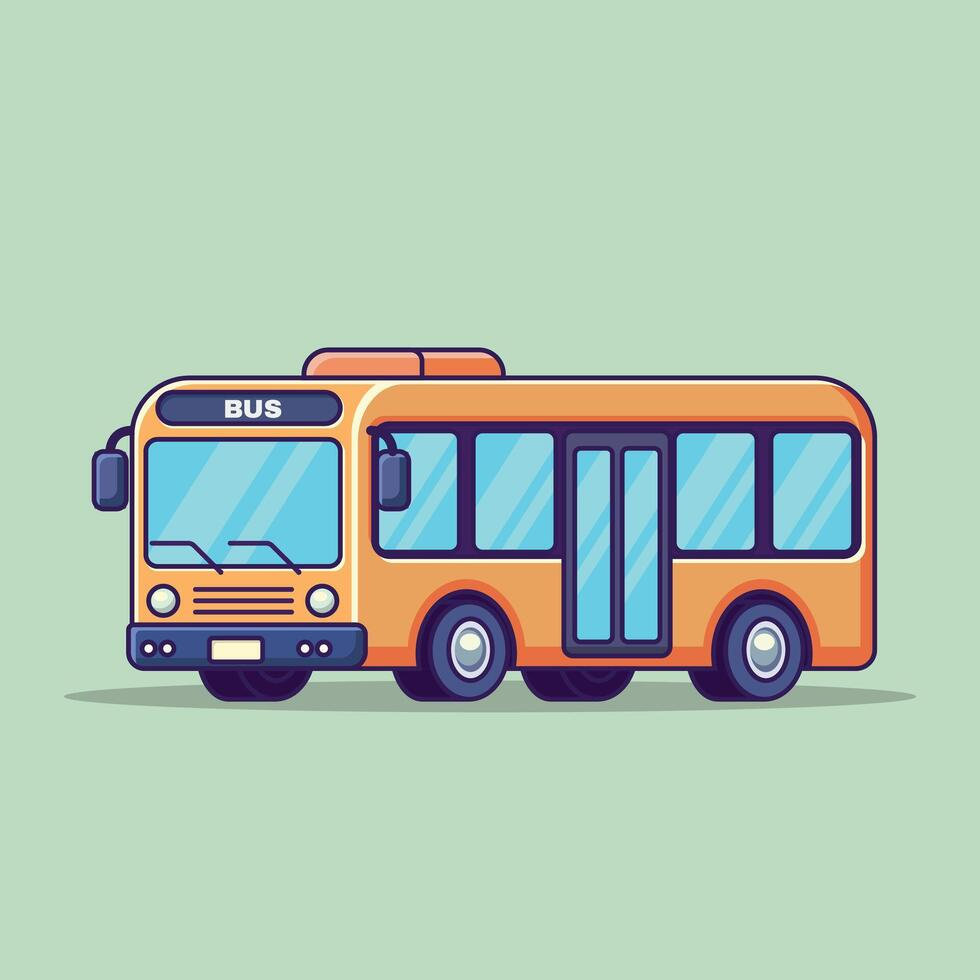
However, the journey to full Sustainable Urban Mobility is multifaceted and requires more than just new rail lines. The existing backbone of city travel, the bus network, is undergoing a necessary Public Transport Reform. Initiatives are underway to streamline operations and introduce smarter technologies through projects like the Dhaka Integrated Transport Management Center (DITMC). Such reforms aim to centralise control and apply modern urban planning strategies to what has historically been a fragmented and chaotic sector.
Addressing Infrastructure and Operational Hurdles
While the new infrastructure is revolutionary, modernization also means ensuring operational excellence. Recent reports identifying technical flaws and maintenance shortcomings in the new metro system—such as ticket machine errors and even bearing pad failures—underscore the critical need for rigorous quality assurance and continuous maintenance. A truly sustainable system must not only be built but reliably sustained for decades.
Furthermore, a successful Modal Shift requires effective integration of all transport modes. This means safer walkways and improved facilities for non-motorized transport (NMT) like rickshaws and bicycles, which remain crucial for last-mile connectivity. Policy must actively disincentivize private vehicle ownership while simultaneously ensuring public transit is comfortable and equitable for all citizens.
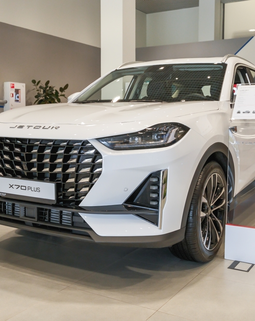
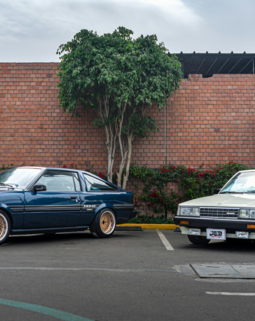
Despite the focus on public transit, the private vehicle market remains substantial. Individuals looking for reliable private vehicle options for essential travel often turn to platforms such as AsiaCarGroup, highlighting the parallel need for green technology adoption and stricter emissions standards across the entire transport spectrum. Ultimately, the successful delivery of Sustainable Urban Mobility depends on a holistic strategy that leverages technology, enforces smart policy, and prioritizes the public good.
What do you think is the single most critical factor—better bus service, wider metro coverage, or safer sidewalks—that will finally convince Dhaka’s private car owners to switch to public transport? Share your perspective in the comments below!