
In 2025, grey market imports—vehicles brought through unofficial channels—are reshaping Bangladesh’s auto market. These imports impact pricing, availability, and policy, often offering models not sold through official dealer networks. Here’s an updated look at how this trend affects car prices and consumer choices.
Rising Import Costs and Tariffs
Importing through grey channels still faces high duties—customs, supplementary, VAT, advance tax, regulatory and trade VAT—often totaling 200–400% of a car’s value. Currency devaluation and stricter LC margin requirements have driven up costs, adding Tk 5–10 lakh or more per vehicle. As a result, prices for grey market cars have surged, narrowing the price gap with officially imported new models.
Supply Pressure on Official Channels
As grey market channels thrive, official dealers face shrinking market share. Small buyers seeking popular JDM models turn to reconditioned imports, reducing demand for showroom vehicles. However, when LC rules tightened, grey car imports dropped sharply—nearly 30–50%—causing supply crunches and further price increases for both grey and official channels.
Hybrid and Fuel-Efficient Models Gain Ground
Fuel price hikes have accelerated demand for hybrids. Grey-imported hybrid models like Toyota Axio, Honda Grace, and Nissan X-Trail have grown by over 150% since 2018. Suppliers pivoted toward fuel-efficient vehicles to meet consumer needs. This shift has kept hybrid prices relatively stable, even while conventional models became more expensive.
Impact on New Car Affordability
Grey market imports help define value benchmarks. Consumers compare newly launched models to similar grey imports. If grey prices rise due to tariffs, official dealer rates tend to follow. This competitive pressure can benefit buyers, especially if official dealers respond with discounts, financing offers, or bundled services.
Market Trends and Consumer Behavior
In 2023–24, private passenger registrations fell to decade lows—just over 10,000 units. Yet, reconditioned import numbers rebounded by around 8%, suggesting middle-class buyers see grey imports as better value in slow economies. These consumers prefer variety and affordability, even at the cost of limited after-sales support.
Risks and Trade-Offs
However, grey market imports bring risks: no official warranty, difficulty sourcing parts, potential mismatches with local regulations, and no recall support. Buyers often pay premium for unofficial conversions or language pack changes. Still, many accept these drawbacks in exchange for access to models not sold by local dealerships.
So How Are Prices Affected?
-
Grey imports remain slightly cheaper than official counterparts, often by 5–15%, depending on model and condition.
-
When grey supply drops, their price spikes—and official prices often follow.
-
Hybrid grey models maintain strong value due to fuel savings and tax incentives.
-
Overall car prices in Bangladesh rose 10–26% in recent years due to dollar rates and import duties, with grey market dynamics playing a key role.
Where to Browse
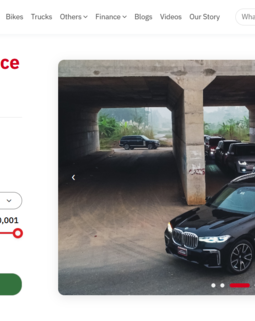
If you’re considering a grey import, platforms like GarirBazar offer collections of reconditioned and unofficial models, with filters to compare prices and engine options.
Conclusion
Grey market imports continue to shape the Bangladeshi car market by influencing supply, pricing, and consumer preferences. While they offer access to varied models and potentially better value, buyers must weigh import costs, service challenges, and warranty limitations. As hybrid demand grows and policies shift, grey imports remain a key player in market dynamics.
Are you eyeing a grey market car—or did you recently trade one in? Share your experience or ask questions below to help others navigate this evolving marketplace!